Crazy Duck Lady Design: A Pro's Embroidery Review
As a designer who spends more time staring at stitch maps than most people spend looking at their phones, I approach every new machine embroidery design with a healthy mix of excitement and skepticism. We've all been there: you download a cute graphic, load it up, and halfway through the stitching process, you realize the density is off or the details are too fine for the fabric you chose. That's why I took a close look at the Crazy Duck Lady Cute Duck Mom Love Ducks file before committing it to a client project. While the product listing describes this as an SVG for cutting machines like Cricut and Silhouette, us embroidery folks know that with the right digitizing (or if you are using a hybrid workflow), the visual personality of a design tells us everything we need to know about its potential on fabric.
First Impressions: Mood and Visual Personality
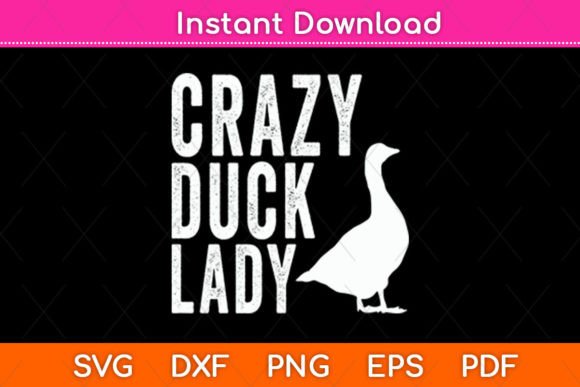
The moment you pull up the Crazy Duck Lady Cute Duck Mom Love Ducks artwork, the mood is unmistakable. It screams "fun," "whimsical," and "unapologetically quirky." In the world of Crafts and Graphics, trends come and go, but the "crazy animal lady" trope has staying power because it taps into a sense of humor that resonates with a specific demographic. The layout typically features a central character surrounded by duck motifs, which creates a natural focal point. For an embroidery project, this composition is promising. It suggests a design that would work beautifully as a statement piece on a tote bag or the back of a denim jacket. The visual weight seems balanced, avoiding the common pitfall of having all the detail crammed into one corner, which can cause hoop distortion.
Real-World Application: The Tote Bag Test
To truly evaluate this design, I imagined a real-life scenario: a custom order for a local boutique owner who wanted a series of personalized gifts for her staff. She needed something that felt handmade but professional. I envisioned applying the Crazy Duck Lady concept to a heavy canvas tote bag design. Canvas is forgiving; it has enough tooth to hold stitches without puckering, making it an ideal candidate for this type of playful imagery.
If you were to digitize this SVG into an embroidery file or use a pre-digitized version, the application on a tote bag allows for a larger hoop size, giving you the room to render the ducks with sufficient detail. Imagine using a bright yellow satin stitch for the duck bills against a textured beige fabric. The contrast would pop. For a small shop product, this kind of specificity elevates the perceived value. It's not just a bag; it's a conversation starter. Customers walking into a craft fair would immediately gravitate toward the humor and the clear execution of the theme.
Navigating Fabric Challenges and Stitch Types
However, not every surface is as forgiving as canvas. If you are planning to use this design for sweatshirt embroidery or on stretchy knits, you need to be cautious. The "Crazy Duck Lady" theme often involves multiple small elements—feathers, eyes, perhaps some text saying "Love Ducks." On a fuzzy fleece or a thin cotton tee, these details can get lost.
Here is where your choice of stitch type matters immensely. If the original graphic relies on solid blocks of color, translating those into a fill stitch requires careful attention to stitch density. Too dense, and you'll end up with a stiff, cardboard-like patch that cracks after washing. Too light, and the fabric shows through, ruining the vibrancy. For textured fabrics, I recommend simplifying the design slightly, perhaps turning some of the smaller duck details into an applique design. Layering a piece of yellow felt under a running stitch outline can give you that crisp duck shape without the headache of managing thousands of tiny stitches on a unstable fabric.
Curved surfaces present another hurdle. If a client asks for this on a cap, think twice. The front panel of a baseball cap is small and curved. A complex scene with a "Crazy Duck Lady" and multiple ducks might crowd the space, leading to registration issues where the thread colors bleed into each other. In such cases, isolating just the main character or a single cute duck might be the smarter play for a professional finished product.
Commercial Viability and Brand Consistency
For the Etsy seller or the creative entrepreneur, consistency is key. Does the Crazy Duck Lady Cute Duck Mom Love Ducks design fit your brand? If your shop specializes in delicate, floral baby embroidery, this quirky, bold style might clash. However, if your niche is humorous custom apparel or novelty holiday embroidery (think Mother's Day or Easter), this asset is gold.
Visual appeal directly impacts buyer engagement. A well-executed version of this design signals that you understand current trends. It builds customer trust because it shows you aren't just churning out generic items; you're curating fun, relevant content. When used in printable mockups for digital listings, ensure the colors in your mockup match the actual thread colors you plan to use. Nothing kills a sale faster than a customer receiving a muddy brown duck when they expected a vibrant goldenrod.
Practical Notes for the Studio
Before you commit to a full production run, here are my non-negotiable steps for evaluating a design like this:
- Test on Scrap First: Never skip this. Stitch the design on the exact fabric you intend to sell. Check how the stabilizer holds up. Tear-away might work for towels, but cut-away is essential for stretchy garments to prevent distortion over time.
- Check Contrast: View your test stitch-out in black and white. If the details disappear in grayscale, your thread color contrast isn't strong enough. This is crucial for accessibility and visual clarity.
- Inspect Small Details: Look closely at the eyes of the ducks and any lettering. Are the satin columns too wide? Do the running stitches bridge gaps cleanly? Tiny flaws here can make a handmade product look amateurish.
- Verify Licensing: Since the source file is described as an SVG for cutting machines, if you are converting this for embroidery or selling the finished physical item, double-check the license terms. Ensure you have the rights for commercial embroidery use.
- Consider Washability: Products like aprons and kitchen towels face harsh conditions. Ensure your stitch density and underlay are robust enough to survive frequent washing without fraying.
In conclusion, the Crazy Duck Lady Cute Duck Mom Love Ducks concept has genuine charm and commercial potential if handled with technical precision. It fits perfectly into the realm of fun, personalized gifts and boutique merchandise. By respecting the limitations of your materials and paying attention to the technical aspects of digitizing and stitching, you can turn a simple graphic into a high-value design asset that customers love to own. Whether it ends up on a nursery pillow or a quirky t-shirt, the key is in the execution.